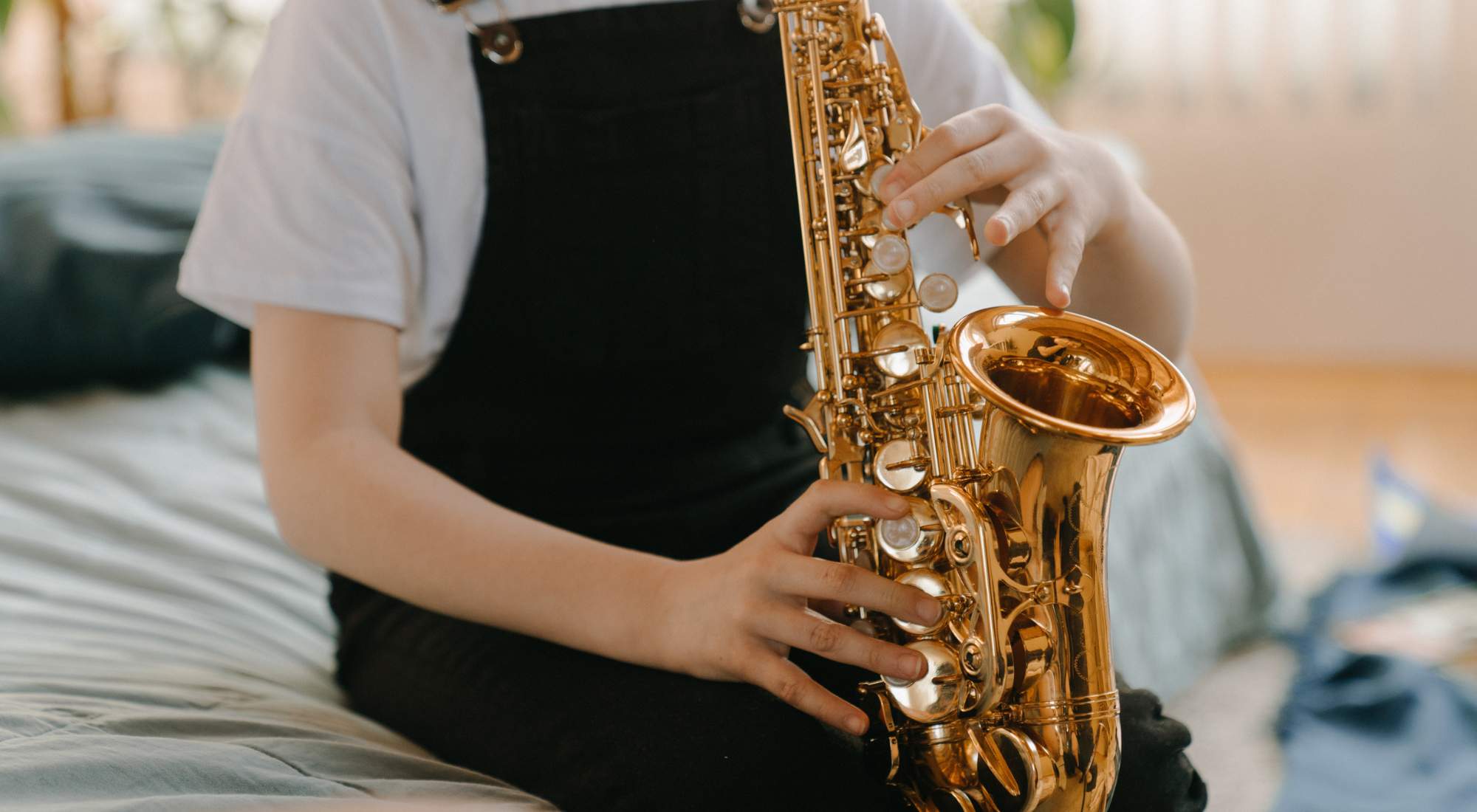
With its twisting tubes, small mouthpiece, wide range, and bell that faces backward, the French horn is unlike almost any other instrument. It also has a reputation for being one of the more challenging instruments to learn.
So, how hard is it to play the French horn? The instrument does present some unique challenges, particularly when it comes to producing the right notes, controlling your breath, and developing a consistent tone. But that doesn’t mean beginners should be intimidated by it.
In this guide, we’ll explain why the French horn is hard to play, what makes it different from other brass instruments, and a few ways beginners can make learning easier with practice and the right instruction.
Table of Contents
- Is the French Horn Hard To Play?
- Why Is the French Horn Hard To Play? 5 Reasons
- 4 Tips To Make Learning the French Horn Easier
- Learn To Play the French Horn With Northwest School of Music
Is the French Horn Hard To Play?
Yes, the French horn is considered one of the more difficult instruments to learn, but that doesn’t mean it’s too hard for a beginner. Its wide range, small mouthpiece, close-together notes, and unique playing position can take time and practice to master.
So, how hard is it to learn to play the French horn? Much depends on the individual student, their practice habits, and the instruction they receive. Beginners need to develop breath control, a consistent embouchure, accurate pitch, and proper technique, but these skills can improve steadily with practice.
The French horn’s challenges are also part of what makes learning it so rewarding. With patience, consistent practice, and guidance from an experienced instructor, beginners can build their skills and confidence over time.
The instructors at Northwest School of Music work with both children and adults at different experience levels. Whether you’re picking up a French horn for the first time or looking to improve the skills you already have, personalized lessons can help you continue progressing. Register today and get a free lesson.

Why Is the French Horn Hard To Play? 5 Reasons
Why is the French horn so hard to play compared with many other instruments? Much of the difficulty comes down to its design and the precision required to produce the right notes. Beginners have to coordinate their breath, lips, fingers, and hand position while also learning to recognize and correct small differences in pitch.
Here are five reasons the French horn can be particularly challenging to learn.
#1: The French Horn Has a Complex Design
The French horn’s distinctive design includes a small mouthpiece, long stretches of coiled tubing, rotary valves, slides, and a large bell. Each plays a role in how the instrument produces sound and how the musician controls it.
The small mouthpiece requires players to develop a precise embouchure (the way the lips and facial muscles are positioned while playing). The horn’s long tubing and relatively narrow leadpipe also affect airflow and resistance, making breath control and proper technique especially important.
The valves add another layer to the challenge. Different valve combinations change the length of tubing the air travels through, but fingering alone doesn’t determine which note comes out. Players must also make precise adjustments with their lips and airflow to produce the intended pitch.

#2: The Notes Are Close Together
One of the biggest reasons the French horn is hard to play is that many of its notes, particularly in the higher register, are very close together. A small change in embouchure or airflow can cause a player to land on a neighboring note instead of the one they intended.
This is why “cracked” or missed notes can be common, even as players become more experienced. Developing the muscle control and ear needed to consistently hit the correct pitch takes practice and patience.
#3: It Has a Wide Range
One of the biggest reasons the French horn is hard to play is that many of its notes, particularly in the higher register, are very close together. A small change in embouchure or airflow can cause a player to land on a neighboring note instead of the one they intended.
This is why “cracked” or missed notes can be common, even as players become more experienced. Developing the muscle control and ear needed to consistently hit the correct pitch takes practice and patience.
#4: The Playing Position Is Unusual
Unlike a trumpet or trombone, which generally has its bell pointing forward, the French horn is played with the bell facing backward and the player’s right hand positioned inside it.
That hand position isn’t simply a way to hold the instrument. It can influence the horn’s tone and pitch, so players need to learn how to position their hand correctly while coordinating everything else involved in playing. They must also learn how to project, balance, and blend their sound with other musicians in an orchestra or band.
#5: The French Horn Requires Precision and Consistent Practice
The French horn can be less forgiving of small mistakes than some other instruments. Slight changes in breath support, embouchure, or hand position can affect the note or tone that comes out.
That precision is why this instrument is widely considered one of the hardest instruments to play. While there isn’t one instrument that’s objectively the hardest for everyone, the French horn presents several challenges at once. Consistent practice helps beginners develop the coordination and control needed to overcome them.

4 Tips To Make Learning the French Horn Easier
If you’re wondering how hard it is to learn to play the French horn, remember that you don’t have to master everything at once. Starting with a suitable instrument, developing good technique, practicing consistently, and working with an experienced teacher can make the learning process much more manageable.
#1: Start With the Right French Horn
The right instrument can make a big difference when you’re learning to play the French horn. Beginners don’t necessarily need an expensive, professional-level horn, but they do need an instrument that’s in good working condition and appropriate for their experience level.
Many beginners start on a single horn and may transition to a double horn as their skills develop. Renting can also be a practical option, particularly for students who are just getting started and aren’t ready to invest in their own instrument.
Learning basic instrument care is important, too. Beginners should learn how to safely handle and clean their horn, oil the rotary valves, and recognize when the instrument may need professional maintenance.
An experienced instructor can help students and their families choose an appropriate instrument and learn how to care for it properly. Northwest School of Music offers French horn lessons in Salem, OR, for students at different ages and experience levels.
#2: Focus on Proper Technique
Learning to play the French horn involves much more than learning fingerings and playing songs. Because small changes in technique can have a noticeable effect on pitch and tone, building good habits from the beginning is especially important.
Beginners should focus on fundamentals such as:
- Holding the horn correctly
- Developing proper embouchure
- Learning correct fingerings
- Maintaining good posture
- Developing breath control
- Producing a clear, consistent tone
Building these skills gives students a stronger foundation as they begin learning more challenging music and playing with a band or orchestra. An instructor can also spot and correct technique issues before they become established habits.
#3: Practice Consistently
Regular practice is essential for making the French horn easier to play over time. Rather than simply playing the same songs repeatedly, beginners can benefit from structured practice that develops individual skills.
Depending on the student’s experience level and their instructor’s recommendations, practice sessions might include:
- Warm-ups
- Scales
- Embouchure and tone exercises
- Breathing exercises
- Difficult passages from current music
Consistency matters more than trying to accomplish too much in a single session. An instructor can help students create a practice routine that’s appropriate for their age, skill level, and musical goals.
#4: Learn With an Experienced French Horn Instructor
Because the French horn requires precise control of embouchure, airflow, pitch, and technique, working with an experienced instructor can be especially valuable for beginners.
Private lessons can help students:
- Learn proper technique from the beginning.
- Avoid developing poor playing habits.
- Receive immediate, personalized feedback.
- Work through challenging notes and techniques.
- Develop effective practice habits.
- Choose music suited to their skill level.
- Build confidence as their skills improve.
The instructors at Northwest School of Music can meet students where they are and help them develop their French horn skills one step at a time.

Learn To Play the French Horn With Northwest School of Music
The French horn may be challenging to learn, but you don’t have to figure it out on your own. With personalized instruction and consistent practice, you can develop your technique, improve your sound, and build confidence as a musician.
Northwest School of Music offers French horn lessons for children and adults at different skill levels, whether you’re picking up the instrument for the first time or want help taking your playing further. Lessons are available seven days a week and offered month-to-month, so you can find a schedule that works for you without committing to a long-term contract.
Schedule your free trial lesson to get started.