


Music provides an incredible avenue of creativity, social interactions, cognitive development and maintenance, and the potential for improved sense of well-being.
While music comes with many positive notes, choosing an instrument to play can be overwhelming. The key to mastering any instrument is directly connected to the amount of practice time the musician commits to. You or your child may have a much more enjoyable time learning the instrument by selecting one of interest and suitability.
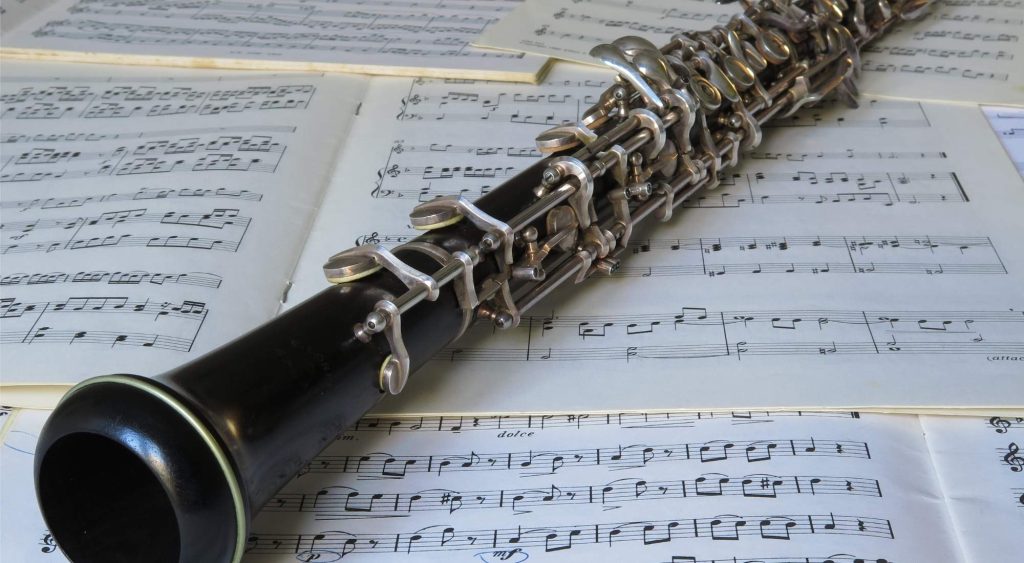
The oboe is a great choice of instrument for a wide variety of reasons, from both musical and practical perspectives. The world of oboists is one of dedication, artistry, and a love for the distinct sound of this challenging but rewarding instrument.
Keep reading to explore the benefits of playing this unique instrument in the woodwind family and how choosing the oboe may be a smart move for students.
Table of Contents
- Is Oboe a Good Extracurricular Activity?
- 8 Reasons Why the Oboe Is a Great Choice as an Extracurricular Activity
- Considering the Oboe as an Extracurricular Activity? Think About These 5 Things First
- Play the Oboe Simply Because You Love It
- Learn To Play the Oboe and Harness Your Potential With the Experienced Instructors at Northwest School of Music in Oregon
Is Oboe a Good Extracurricular Activity?
Yes!
Playing the oboe as an extracurricular activity comes with many benefits, including the possibility of long-term achievements and financial opportunities.
When considering choosing the oboe, you may also want to consider the music student’s goals, such as:
- Would they like to become a professional musician or soloist?
- Will they continue to play while in a college setting?
- Do they anticipate playing in an orchestra?
- Are they considering becoming a music teacher or instructor?
As the oboe may be a more difficult instrument to learn, it is wise to consider the ultimate goals before investing in the purchase of an instrument or lessons.
8 Reasons Why the Oboe Is a Great Choice as an Extracurricular Activity
#1: Develops Self-Discipline
One of the most frequently asked questions is, “How hard is it to learn how to play an instrument, especially an oboe?”
Learning to play any instrument will take time and practice, and the oboe presents challenges that may not be encountered with other instruments.
Expect to practice extra patience and self-discipline while learning to play this woodwind instrument, as it usually proves to be a bit more difficult to master than some other instruments.
Even though learning to play the oboe can be a challenge to tackle, with lessons and instruction from Northwest School of Music, you will have support and encouragement throughout the entire learning process!
2: Encourages Focus and Perseverance
Aside from the expected practice sessions, playing the oboe will require an elevated level of focus and perseverance in learning the technical aspects of playing this instrument.
What are the areas that will require extra focus?
- Breathing: Steady and controlled breathing is necessary.
- Embouchure: Lip positioning and incorrect embouchure can negatively affect tone and pitch.
- Tuning: Oboes are difficult to keep in tune.
- Interpretation of music: Oboists must not only learn to read music but also to play with expression and articulation of the musical piece.
Where will I need to apply perseverance in learning to play the oboe?
Oboists often make and manipulate their own reeds, which takes patience and frequently is a trial-and-error learning experience.
Developing an artful tone and mastering the instrument’s tricky fingering and intonation takes time.
Playing the oboe may induce physical symptoms of dizziness or fatigue for new musicians, which occurs from pushing air through a small reed opening.
3: Enhances Cognitive Functions
Learning and playing instruments not only develops new skills, but studies have found they actually increase cognitive functioning.
Enhanced areas of cognitive functioning may include the following:
- Memory
- Reasoning skills
- Attention spans
- Reading ability
- Executive function

4: Improves Academic Performance
The term “well-rounded” student — the belief of participating in a variety of activities — is a term that is frequently tossed around, particularly if a student is considering a college career.
But does the term hold any clout? In fact, it does, at least musically speaking.
Studies have shown that students who are musically involved will traditionally score better on exams, especially in math and science. Additionally, students who played instruments achieved even higher grades in all subject fields than students who focused only on vocal music.
These types of studies have emphasized the importance of music in schools as an enhancement to learning for all subjects.
5: Increases Confidence and Emotional Expression
The oboe is a difficult instrument to learn and play proficiently, so when progress becomes evident to the student, it can truly be a confidence boost!
Students may also discover when playing the oboe that it develops a unique outlet for emotions and expressing those emotions — in a way that may not have been discovered other than through music.
Also, when producing expression through music, negative stress and anxiety may be reduced. Positive emotions are encouraged to be expressed through music, and it has also been associated with improving our overall physical health and well-being.
6: Fosters Teamwork
Similar to a sports team, teamwork is also achieved through music, particularly in a band or orchestra.
Learning and playing music can be an individual activity, but much will be learned when combining the efforts of multiple instruments at the same time. Learning to play in sync with others not only fosters teamwork but also develops mutual respect for others’ skills and contributions.
Playing the oboe in a band or orchestra fosters a wide range of the following valuable skills:
- Musical
- Cognitive
- Social
- Emotional
In any type of ensemble, each musician is part of a collective voice and tone. The oboe must blend with others, follow the conductor, and contribute to the group’s musical piece.
#7: Opens Up Doors of Opportunity
The oboe presents some opportunities that might not be provided by other instruments.
As the oboe is a unique instrument, fewer people tend to play this instrument in comparison to other more popular choices like the violin, flute, or trumpet.
Additionally, due to the distinct and beautiful tone of the oboe, a musician may discover opportunities to play in a variety of settings, which may include:
- Solo performances
- Band
- Small ensembles
- Orchestra
Even in a collaborative performance with other instruments, the oboe is frequently highlighted with solos that feature a storytelling quality and emotional or moody depth.
#8: Minimizes the Competition
The oboe is just not as popular a choice as some other instruments, inevitably reducing the competition for positions and scholarships.
If a student is considering higher education with music, the oboe is an excellent choice for college performance, composition, and education.
Is the Oboe Good for College?
The oboe can be a great choice for college — but first consider the goals of the student.
The following factors highlight the benefits of playing the oboe in a college setting:
- Due to the limited selection of oboe musicians, group instruction can happen with fewer numbers of musicians. This means you’ll get more focused instruction than you would in a larger group.
- Colleges often recruit oboists for orchestras or woodwind ensembles and may offer scholarships.
- There are fewer oboists at the college level compared to other instrumentalists, so proficient oboe players often receive more scholarships and performance opportunities.
Considering the Oboe as an Extracurricular Activity? Think About These 5 Things First
If you are considering learning to play the oboe for the benefits alone, you also need to understand the commitment required to become a talented oboist.
Most people would attest that it is hard to learn the oboe, but you can proactively be aware of the challenges you are likely to face and prepare yourself for the effort that will be required to play it well.

#1: Playing the Oboe Takes Dedication
Playing the oboe is difficult. You need to understand and be prepared for the time, persistence, and countless hours of practice that will be necessary to play this instrument.
If you are not quite ready for such a challenging instrument, it may be wise to choose another one at this time.
#2: Playing the Oboe Requires Focus and Attention to Detail
The oboe is not the best choice for every aspiring musician.
However, each musician has different talents and may excel at one instrument over another. The most accomplished oboist may never have even tried playing the flute, drums, or trumpet.
Consider evaluating the student’s strengths when choosing an instrument for the best success.
For example, if the student struggles with prolonged periods of focus or attention, the oboe may not be a great choice for that individual.
On the other hand, if the student possesses a strong attention to detail, can focus intently on their interests, and prefers to take time in solving problems, the oboe may be well-suited to their personality and interests.
#3: The Oboe Can Be Expensive, but . . .
Playing the oboe can be expensive. If you are shopping as a new or beginner-level student, you may be tempted to rent until you decide you love the instrument and want to continue the commitment to practice and play.
Renting vs. buying and factors to consider:
- Renting may be a good option for a younger student who is not sure of their initial commitment or passion.
- Long-term rental fees may add up quickly. An entry-level student instrument might be purchased for less than the cost of the year’s rental. Many shops offer a rent-to-own option for financing the instrument.
- A carefully chosen student instrument that is properly maintained will retain its value. The instrument can then be resold for a sizable portion of the purchase price if traded for a higher-quality instrument in the future.
- Rental instruments may have wear and tear, evident with dents and scratches. Additionally, you are more than likely liable for any damage to a rented instrument.
- Used instruments may need some repairs prior to playing, such as replacing the pads under the keys.
- Oboes require reeds, which need to be factored into the cost of owning and maintaining the instrument.
- Learning is much easier on a properly maintained instrument rather than one that is in disrepair.
Although playing an oboe can be costly, learning to play it well may later offset the cost if the student secures scholarships or pursues a professional career such as performing with an orchestra.
#4: Orchestras Always Need Oboe Players
Any orchestra requires a certain number of musicians and instruments. By choosing a less-popular instrument like the oboe, the demand for accomplished oboists is high, and you may become a sought-after musician.
#5: Practice and Hard Work Pay Off
Learning any instrument will require practice.
The exact amount of time you spend will vary based on your ideal learning routine, the specific challenges you are trying to overcome, and your current level of proficiency.
Keys to effective practice sessions include:
- Practice becomes a routine.
- Practice requires consistent and focused efforts.
- Practice needs to be beneficial. A good rapport needs to be established between the student and instructor to capitalize on the practice and instruction sessions.
Play the Oboe Simply Because You Love It
Any accomplished musician has a passion for music and their instrument.
Although the oboe may be a more challenging instrument to learn, the difficult aspects of learning the instrument will not seem quite so difficult if love of the instrument is present.
True appreciation for the instrument will also outweigh scholarship and performance opportunities. An oboist may be just as content sitting in their quiet living room, playing emotional pieces for no other reason than self-expression and satisfaction.
Learn To Play the Oboe and Harness Your Potential With the Experienced Instructors at Northwest School of Music in Oregon
Bring your passion for learning to play the oboe, a new skill in music, or another instrument to Northwest School of Music!
But why Northwest School of Music, and what sets it apart as an essential piece of your musical journey, you ask?
- Northwest School of Music offers lessons for learners of all ages.
- Quality music instruction is provided by experienced and trained teachers.
- Parents are encouraged and welcome to attend the lessons.
- Group sessions are limited in size for optimal instruction time.
- Specialized teachers are available for each instrument.
- Class times are conveniently available, including weekdays, evenings, and Saturdays.
- Performance and recital opportunities are offered throughout the year.
- Desk managers are available in the studio to assist you during the week.
- We work to carefully match our students with the best fit of a faculty member who will then design a music program tailored to each student’s needs.
Northwest School of Music was founded in 2006 with the mission to provide quality musical education for all ages. Since opening in 2006 in Salem, Oregon, the studio has grown to now provide lessons to over 200 students every week.
Our team of talented and skilled instructors provides the opportunity to connect with an ideal teacher for you to lead you on your musical journey.
Contact us today to pursue learning a new band instrument of your choice!



