

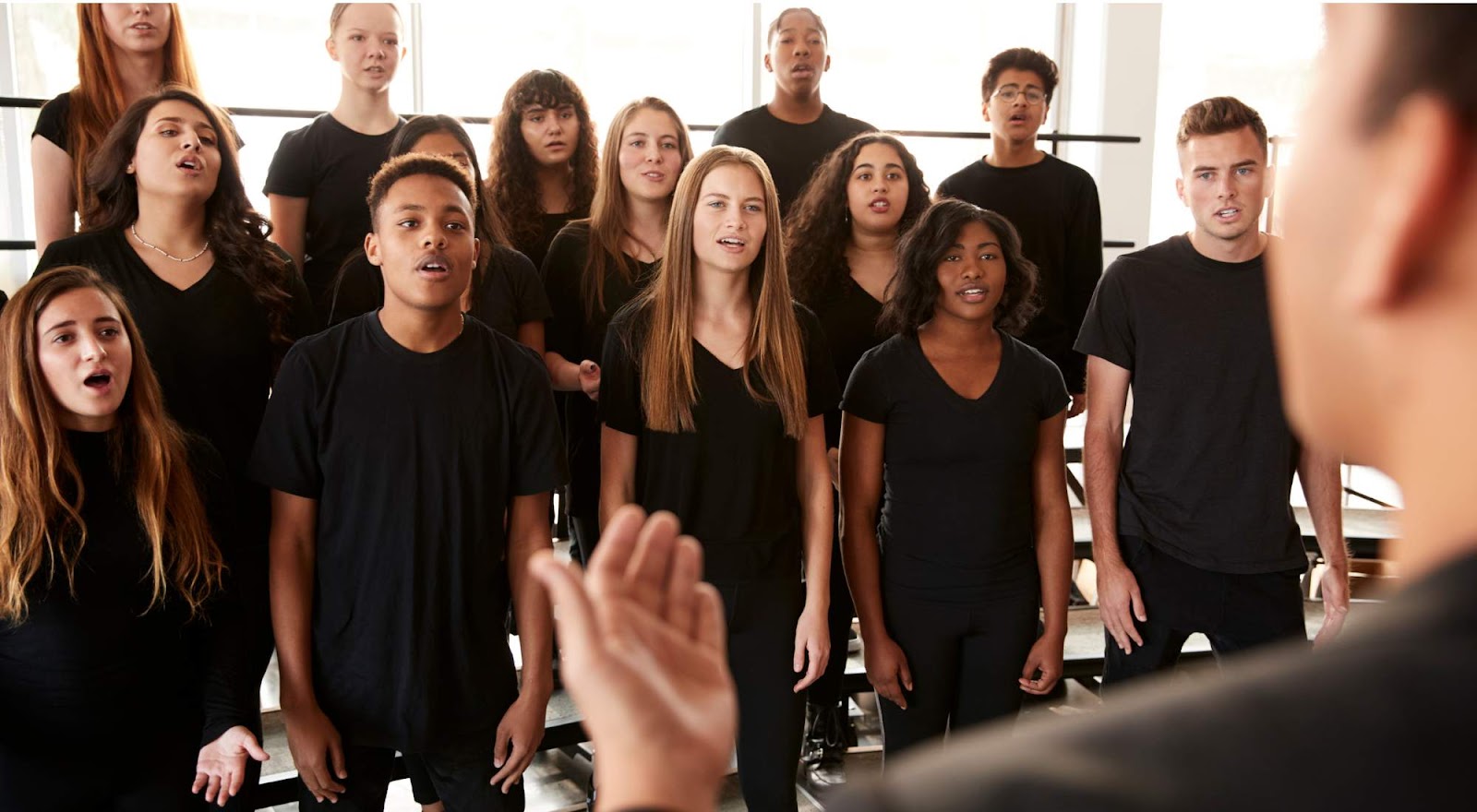
When you hear extracurricular activities, you often think about sports teams, debate clubs, or volunteer opportunities. One activity that often gets overlooked, even though it can be more valuable than all of those activities combined, is music. Whether you are playing an instrument, singing in a choir, or composing music, music involves skills that can support you for a lifetime.
In this article, we will dive into the different benefits of music, how it fits into extracurricular activity tiers, and how to integrate it into your daily life. Music isn’t just a hobby; it is a powerful opportunity to develop discipline, exercise creativity, learn valuable skills, and participate in a discipline that can provide skills that last for years to come.
Table of Contents
- Is Music an Extracurricular Activity?
- 9 Reasons Why Music Is a Great Extracurricular Activity
- 4 Tiers of Extracurricular Activities
- Tips for Balancing Extracurriculars
- Northwest School of Music Can Help You Reach Your Extracurricular Musical Goals
Is Music an Extracurricular Activity?
When it comes to extracurricular activities, you may be wondering if your activity counts or is more of a hobby. An extracurricular activity is defined as an activity that is not a part of the usual school or program. These can include, but are not limited to:
- Sports
- Clubs
- Volunteering
- Student government
- Theater, music, and dance groups
- And more
So, is music an extracurricular activity? Yes! It allows students to develop skills and fosters creativity. The discipline, teamwork, and confidence required to participate in music will last well beyond the classroom.
9 Reasons Why Music Is a Great Extracurricular Activity
Music is a great extracurricular activity to participate in because it offers opportunities to learn new skills, develop discipline, cultivate creativity, and build teamwork. Not only is it great for character building, but it also provides skills that are beneficial to learn and will aid you throughout your entire life. Let’s dive into some details about why music is considered a strong extracurricular.
1: Detail-Oriented Programs
Music can come in all different shapes and sizes, but it offers the opportunity to specialize in and master a specific instrument or genre. Students can focus on classical oboe, jazz saxophone, choral singing, or more. Specialization helps students narrow in on their interests and encourages discipline. Additionally, students can learn problem-solving skills by working through challenging pieces or finding new ways to refine their performances.
2: Learning a New Skill
Unlike other extracurriculars like sports, you are mastering a new language and physical skill at the same time. Music requires reading and interpreting music, understanding rhythm, and translating musical pieces with precision. Over time, these skills build resilience and creativity. As students are challenged and make progress, they learn life skills such as dedication, problem-solving, and patience. These skills are monumental to learn at a young age and can be applied to many different parts of life, from academics to everyday challenges.
3: Exercises the Brain
When it comes to teamwork, the brain knows all about that when music is at play. When playing music, your brain uses both hemispheres. The left side processes rhythm, timing, and structure while the right side processes melody, tone, and emotion.
In addition, music requires extraordinary use of memory. Music uses:
- Muscle memory
- Working memory
- Long-term memory
Music is also a great way to strengthen fine motor skills. When playing an instrument, precision is key. Using parts of your brain, such as the motor cortex, cerebellum, and sensory systems, can help the music flow.
Beyond memory and motor skills, music also improves focus and attention to detail. Often, when playing in an ensemble, for example, you need to listen carefully and adjust accordingly. It challenges your brain to multitask and coordinate reading, physical movement, and timing.
4: Therapeutic Quality of Music
Music can be therapeutic for many people. Due to its relaxing nature, practicing music can be a great way to support a student’s mental health. Having an activity that promotes relaxation can help balance a student’s workload rather than add to it.
Listening to or creating music can help reduce stress and can provide a healthy emotional outlet. One study showed that music can lift the mood and improve the overall quality of life.
In addition, participating in a band or ensemble can foster connections and community, which in turn can boost mood and support mental health.
5: Team Aspect of Music
Sports aren’t the only extracurricular activities that offer the benefit of teamwork. Several types of music extracurriculars promote working as a team, such as:
- Orchestra
- Band
- Choirs
- Ensembles
- And More
Even taking private lessons provides the opportunity to fine-tune your skills and receive feedback from a mentor. This teamwork is a great way to refine your skills and build trust in others. Northwest School of Music is the perfect way to get involved with music or find support. We offer a variety of different programs to choose from, including:
- Piano lessons
- Drum lessons
- Voice Lessons
- String lessons
- Brass lessons
- Group lessons
- Early childhood education
- Children’s choir
Contact us today to learn more about our facility, instructors, and lesson options.
6: Various Options To Choose From
There are lots of options when it comes to pursuing music as an extracurricular activity. Some popular ways to get involved in music include:
- Orchestra
- Band
- Chorus
- Private lessons
- Musical theater
- Songwriting
- Musical production
- Drumline
- Acapella groups
Some of these options overlap, offering multiple ways to express yourself creatively and put your skills to the test.
7: Finding a New Passion
Starting music in school may turn into a new passion and opportunities. Many students discover new skills and talents that they never knew they had. Exploring music can lead to joining ensembles, bands, or choirs, fostering a strong sense of community.
Additionally, these activities can translate into academic or professional opportunities that can include:
- Scholarships
- Competitions
- Music-related college programs
8: Boosts College Applications
Music is a strong way to set yourself apart and impress admissions teams. Music shows a variety of skills and traits all wrapped into one that admission teams appreciate and look for. Some of these skills include:
- Long-term commitment
- Achievement
- Leadership
- Teamwork
Admissions offices often appreciate the professional growth that comes with music, including managing challenges and performing under pressure. Adding videos of performances or copies of compositions can set you apart from other college applications as well.
9: Enhances College Experience
Extracurriculars do not have to end once you throw your cap at your high school graduation. Participating in music opportunities in college can foster community and make your college experience great. Music can provide social opportunities, an outlet from academic demands, leadership and performance opportunities, and stress relief.
Continuing music can be a great way to make music a life-long skill and passion. It helps students balance the pressures of college life by offering a creative escape and a chance to recharge mentally. Additionally, staying engaged with music throughout college can open doors in the future, such as:
- Scholarships
- Networking
- Job opportunities
- Professional performing opportunities
4 Tiers of Extracurricular Activities
When you are looking into extracurricular activities, you may have some questions about where music fits in. Extracurriculars can vary widely in terms of skill, commitment, and impact. Oftentimes, colleges look at both depth and quality, not just participation itself. Music in particular can span multiple tiers depending on a student’s level, achievements, leadership roles, and commitment. This makes music both a versatile and valuable extracurricular activity.
Typically, 4 tiers of extracurricular activities show different levels of skill and commitment. These include:
- Tier 1: Exceptional achievement and leadership. These are typically rare achievements which can include:
- Winning a national award for music
- Attendance in a distinguished academic program
- Volunteers who start national organizations
- Tier 2: High levels of achievement and leadership. Examples include:
- Making all-state in band
- Holding a major leadership position
- Making all-state in basketball
- Being a finalist in a national competition
- Tier 3: Demonstrate a student’s participation outside the classroom and in the community. Examples include:
- Selection of a national ensemble member
- Minor leadership positions
- Sports players who earned distinguishing achievements
- Self-driven activities
- Tier 4: Common extracurricular activities. Examples include:
- Singing in a choir
- General membership
- Participation in a sports team
- Volunteering at a food bank
Tips for Balancing Extracurriculars
Often, high school is one of the first times students learn to balance activities. While it is an important skill to learn, it is equally important to prioritize all of your extracurricular activities, academics, friendships, and family life to avoid burnout.
Some ways that you can balance your extracurriculars include:
- Prioritizing your interests based on joy, professional and college goals, and skills.
- Creating a practical schedule that includes homework time, practice, school, and rest.
- Encouraging open communication with teammates, coaches, family members, and friends.
- Focusing on quality over quantity when it comes to the number of activities you participate in. It is better to excel in one or two activities than struggle through six.
- Using breaks wisely and avoiding overloading yourself.
- Prioritizing self-care with proper sleep, nutrition, and mental health.
- Finding support and encouragement throughout your experience. This can be working with a mentor or by seeking help from private instructors like Northwest School of Music.
Northwest School of Music Can Help You Reach Your Extracurricular Musical Goals
At NorthWest School of Music, we strive to meet you or your child where they are and provide the tools to help them reach their goals. Our team of seasoned, highly qualified instructors has been teaching students since 2006, and our dedication to guiding students through private or group lessons has not changed since we began.
Some of the features of our music school that have made us stand out as one of the top music schools in Oregon include:
- Offering 15 different instrument lesson options at one location
- Lessons 6 days a week, with times ranging from morning to evening, to accommodate a variety of different school and work schedules
- Unique achievement opportunities
- Educated and experienced instructors dedicated to supporting your musical goals, no matter the level or age
We would love to be a part of your musical career. Contact us today to learn more about our programs and lessons and get ready to unlock your musical potential!



