


Picture this: you’re at your child’s first violin lesson. The bow squeaks, a string buzzes, and there’s a brief moment of “maybe we should’ve gone with piano.” But a few months later, that same child is playing a simple melody — smiling because it finally sounds like music. That’s the magic of the violin journey: it’s challenging, rewarding, and full of little triumphs that make every step worthwhile.
At Northwest School of Music, we understand that progress looks different for everyone. Some students soar ahead quickly; others take a steady, thoughtful pace. Our teachers — trained, experienced, and endlessly patient — know how to keep motivation high and frustration low. Whether your child learns best in a lively group of 10 or prefers one-on-one guidance, we tailor each lesson to help them grow confidently and joyfully.
So, how long does it take to learn violin? Let’s set some realistic expectations and explore what milestones you and your young musician can look forward to along the way.
Table of Contents
- How Long Does It Take To Learn Violin?
- 5 Key Factors That Impact How Long It May Take To Learn To Play the Violin
- Can I Learn Violin in Three Months?
- Realistic Timelines and Milestones for Violin Students
- Tips To Help You Learn To Play Violin Faster
- Get the Most Out of Your Violin Lessons With Northwest School of Music
How Long Does It Take To Learn Violin?
Before we can talk timelines, we have to answer one big question: what does “learning the violin” really mean? For some, it’s being able to play a simple tune with confidence. For others, it’s mastering complex concertos or performing in an orchestra. The path looks different for every student — and that’s what makes it exciting.
The different levels often look like this:
- Getting comfortable (first few months): Beginners typically focus on the basics of how to hold the violin correctly, produce a clear tone, and get comfortable using the bow. It’s also when students learn early posture habits that set the stage for long-term success.
- Reading music (about a year): Many can read music, play short songs, and recognize the satisfaction of progress around this point. They often start to feel more “at home” with the instrument, creating music rather than just playing notes.
- Intermediate technique (2-4 years of consistent practice): You begin exploring more advanced techniques like shifting positions, vibrato, and playing in small ensembles. These are the skills that open the door to expressive, confident playing.
- Advanced fluency (several years of dedicated study): At this level, students can interpret complex pieces, play in tune across all registers, and perform comfortably in front of others.
So, how long does it take to learn basic violin? About a year, depending on your goal. A casual learner who practices a few times a week may reach solid proficiency in two to three years. Someone aiming for performance-level mastery might spend closer to a decade refining their craft — and that’s perfectly normal.
Northwest School of Music has programs designed for every age and skill level. Whether a first-time beginner or an aspiring performer, we make sure each violinist has the support they need to grow — and have fun doing it.

5 Key Factors That Impact How Long It May Take To Learn To Play the Violin
Every violinist’s journey moves at its own rhythm. Some students seem to pick it up almost instantly, while others need more time to find their groove — and that’s completely natural.
Understanding the key factors helps you set realistic expectations and enjoy the process rather than rush it.
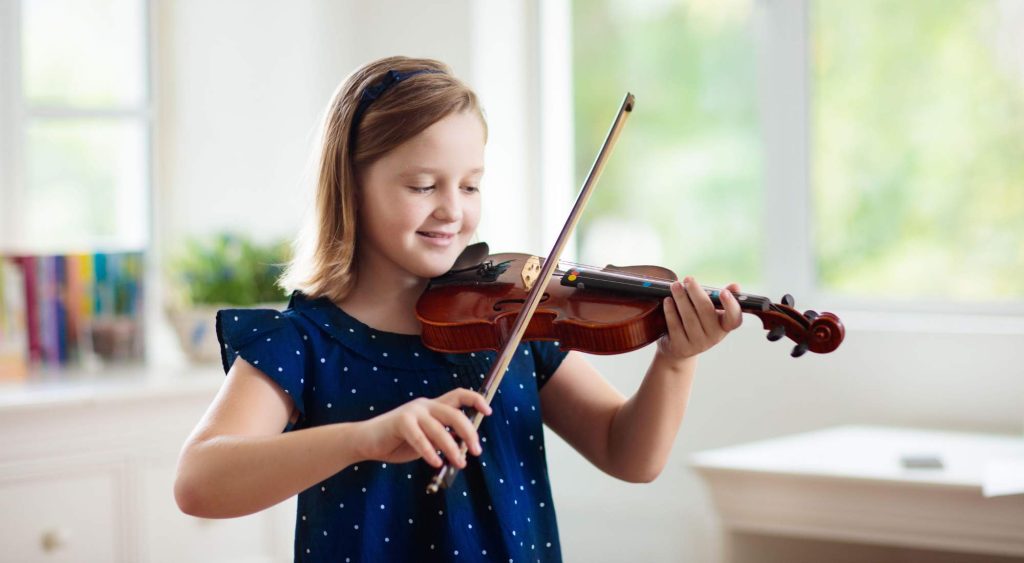
#1: Age, Background, and Previous Musical Experience
Age matters, but maybe not in the way you think. Adults often bring focus, discipline, and a clear sense of goals to their lessons. They can tackle tricky concepts deliberately and are usually motivated to practice consistently. Kids, on the other hand, have remarkable flexibility and time on their side. Their muscles adapt quickly, and they can develop habits that last a lifetime. Plus, they often approach challenges with fearless curiosity.
Previous musical experience can give any student a head start. If your child (or you!) has played piano, guitar, or sung in a choir, understanding rhythm, reading notes, and internalizing music can feel more natural. However, the violin introduces unique physical demands like bowing, finger placement, and posture that even seasoned musicians must learn from scratch.
At the end of the day, progress comes down more to consistency and attitude than age or background. Regular practice, patience, and a willingness to learn carry students further than talent or experience alone. That’s why at Northwest School of Music, we focus on nurturing steady growth, regardless of a student’s starting point.
#2: Motivation and Realistic Goals
How long it takes to learn the violin depends a lot on why you want to play. Are you aiming for casual enjoyment, ensemble participation, or performance-level mastery? Defining your goal early helps set reasonable benchmarks and keeps practice meaningful.
Intrinsic motivation that stems from genuine enjoyment (rather than external pressure) is a key driver of long-term success. Students who love the sound of the violin or take pride in small improvements are far more likely to stick with it, even when it becomes challenging.
Balancing ambition with patience makes a big difference in how a student perceives their progress. Expecting to master the violin in just a few months often leads to frustration or feelings of failure. Celebrating short milestones, like learning a simple song, playing in tune, or performing in a recital, makes progress more visible and motivating.
#3: Quality of Instruction
Like with most things in life, a skilled teacher makes all the difference. They catch mistakes before they become habits, provide guidance on posture and bowing, and help students build solid technique from the start. Without this guidance, progress can slow — or even plateau.
Structured lessons add another layer of support. When sessions are organized with clear objectives and regular feedback, students stay accountable and improve steadily.
#4: Proper Instrument Setup
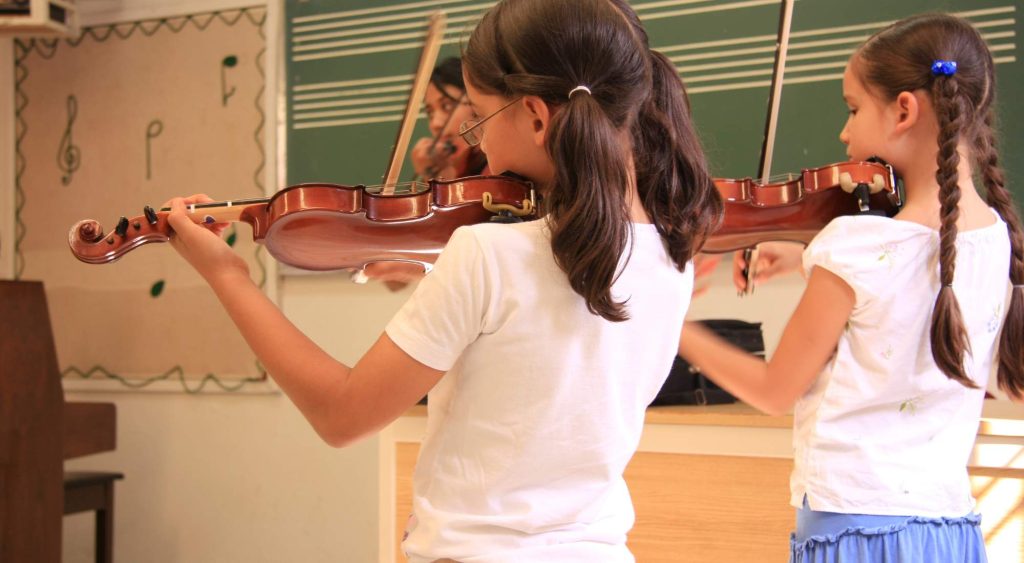
A violin that doesn’t fit or isn’t adjusted correctly can make learning unnecessarily harder. For children especially, playing on an instrument that’s too large or heavy can hinder posture, technique, and overall comfort, slowing progress before it even begins.
Proper setup matters just as much as size. Adjusting string height, bow tension, and other details ensures the instrument responds smoothly, making it easier to produce a clean tone and develop good habits. When a violin feels comfortable and plays well, students can focus on the music rather than wrestling with their instrument.
#5: Lesson Structure
Well-structured lessons are the backbone of steady violin progress. When sessions follow a clear plan and include regular feedback, students can build skills efficiently, track their growth, and stay motivated.
At Northwest School of Music, our seasoned teachers design lessons that balance technique, repertoire, and fun. Each session is tailored to a student’s goals, so they can move forward even when other parts of life are busy. With this combination of guidance, structure, and flexibility, students develop confidence, improve consistently, and embrace the journey from their very first note to more advanced pieces.
Can I Learn Violin in Three Months?
You can learn basic notes and simple songs in three months with consistent practice, but true proficiency takes longer. Short-term goals, like playing a simple melody or performing in a low-pressure recital, are achievable, while advanced technique, ensemble playing, and fluency require months or years of study.
As you understand what influences progress, you can set achievable goals to track growth and celebrate wins.
Realistic Timelines and Milestones for Violin Students
Learning the violin happens in stages, each with its own challenges and achievements.
First 6 Months: Beginner Stage
The first few months are all about getting comfortable with the instrument. Students learn how to hold the violin and bow correctly, produce a clear sound on open strings, and play simple tunes. Basic music reading is introduced, helping beginners connect notes on the page to the sounds they create. At this stage, small successes — like playing a familiar melody cleanly — build confidence and set the foundation for future skills.
6–12 Months: Growing Confidence
Between 6 months and a year, students start refining their technique. Bow control improves, first-position fingering becomes more natural, and simple rhythms are easier to read and play accurately. Many beginners also get their first taste of ensemble playing, learning to listen and blend with others — a milestone that boosts both skill and confidence.
1–2 Years: Intermediate Beginner
After a year or 2, students move beyond the basics and start tackling more advanced techniques. Shifting between positions, playing more complex rhythms, and experimenting with the first signs of vibrato become part of regular practice. This stage builds both technical skill and musical expression, laying the groundwork for more versatile playing.
3–5 Years: Becoming Competent
By 3 to 5 years of study, students tackle more challenging pieces and move comfortably between multiple positions on the violin. They perform well with others in ensembles, produce a steady, rich tone, and bring greater musical expression to their playing. This stage shifts focus from learning skills to applying them with finesse.
5–10+ Years: Advanced Level
Achieving advanced violin skills takes years of consistent practice and dedication. Even committed students often spend a decade or more refining technique, interpreting complex repertoire, and performing with precision and artistry. At this stage, playing becomes highly expressive, and musicians develop the versatility and control that mark true mastery.
Tips To Help You Learn To Play Violin Faster
Learning the violin is a marathon, not a sprint.
Here are some strategies to maximize your time and effort:
- Establish a consistent routine so each session builds on the last.
- Use high-quality instruction. Lessons at Northwest School of Music ensure proper technique from the start, including posture, bow hold, and tone.
- Set short-term milestones, like three or six-month goals, to make progress visible and motivating.
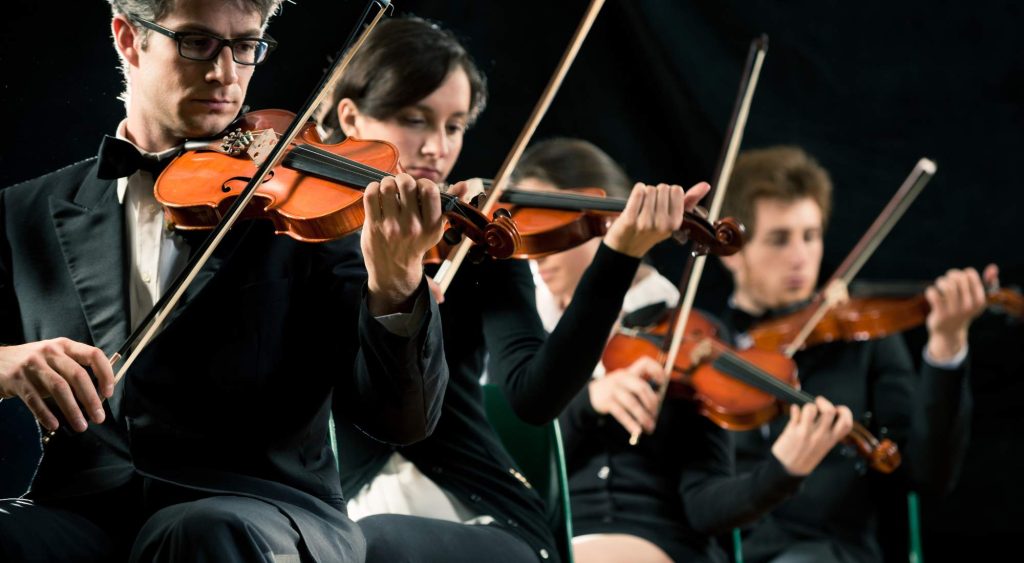
- Play with others and perform regularly. We offer low-pressure recitals and ensemble opportunities to build musicality and engagement.
- Celebrate achievements along the way. Small wins matter, and we reward progress with trophies, certificates, and award wristbands.
By combining consistent practice, skilled guidance, and meaningful milestones, students can enjoy steady improvement and a more fulfilling learning experience.
Get the Most Out of Your Violin Lessons With Northwest School of Music
Getting the most out of violin lessons is easier when students have the right guidance, support, and encouragement. Northwest School of Music’s experienced teachers, small class sizes, and personalized lessons help students build strong technique, musical skills, and confidence — all while having fun.
We welcome parents to be part of the learning process, and students can take the stage in low-pressure recitals to celebrate progress and gain real performance experience. Plus, when you sign up, your first session is on us! It’s a great way to see how our friendly, supportive approach helps students grow, make music, and have a blast along the way.



